






Reliable and Scalable Fiber Networks for Internet Service Providers
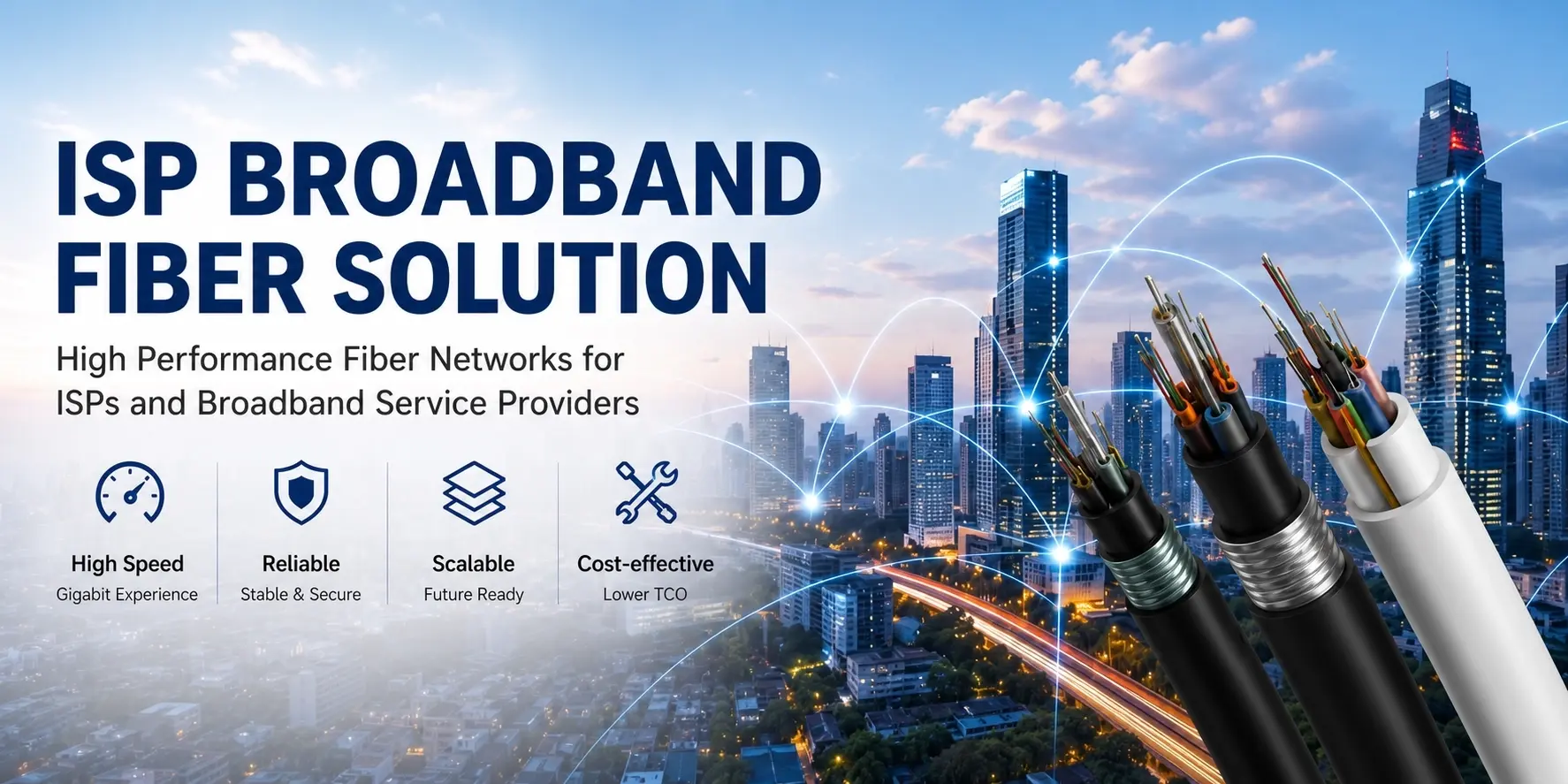
Internet service providers need network infrastructure that supports growing bandwidth demand, expanding subscriber numbers and increasingly data-intensive applications. The YITOFC ISP Broadband Fiber Solution provides cable options for backbone, metropolitan, access, FTTH, enterprise and rural broadband projects.
As a professional fiber optic cable manufacturer, YITOFC supplies outdoor, aerial, duct, direct-buried and indoor fiber cables for different ISP installation environments. Cable structures, fiber counts, jacket materials, printing and packaging can be customized according to project requirements.

The Challenges Facing Modern ISP Networks
Broadband operators must deliver stable connectivity while controlling construction, maintenance and expansion costs. A suitable fiber optic cable solution must consider fiber count and transmission performance together with cable structure, installation method, environmental conditions and long-term reliability.
- Rapid subscriber and bandwidth growth
- Long-distance transmission and future expansion requirements
- Urban, rural, aerial, underground and indoor installation conditions
- Moisture, tension, crushing, rodent and weather protection
- Limited existing duct space and construction cost control
Complete ISP Broadband Network Architecture
Internet Gateway → Core Router / Data Center → Backbone Fiber Network → Metro Aggregation Network → Local Distribution Network → FTTH / FTTB / Enterprise Access → Residential and Business Users.
Each layer needs a cable with suitable mechanical strength, environmental protection and installation characteristics.
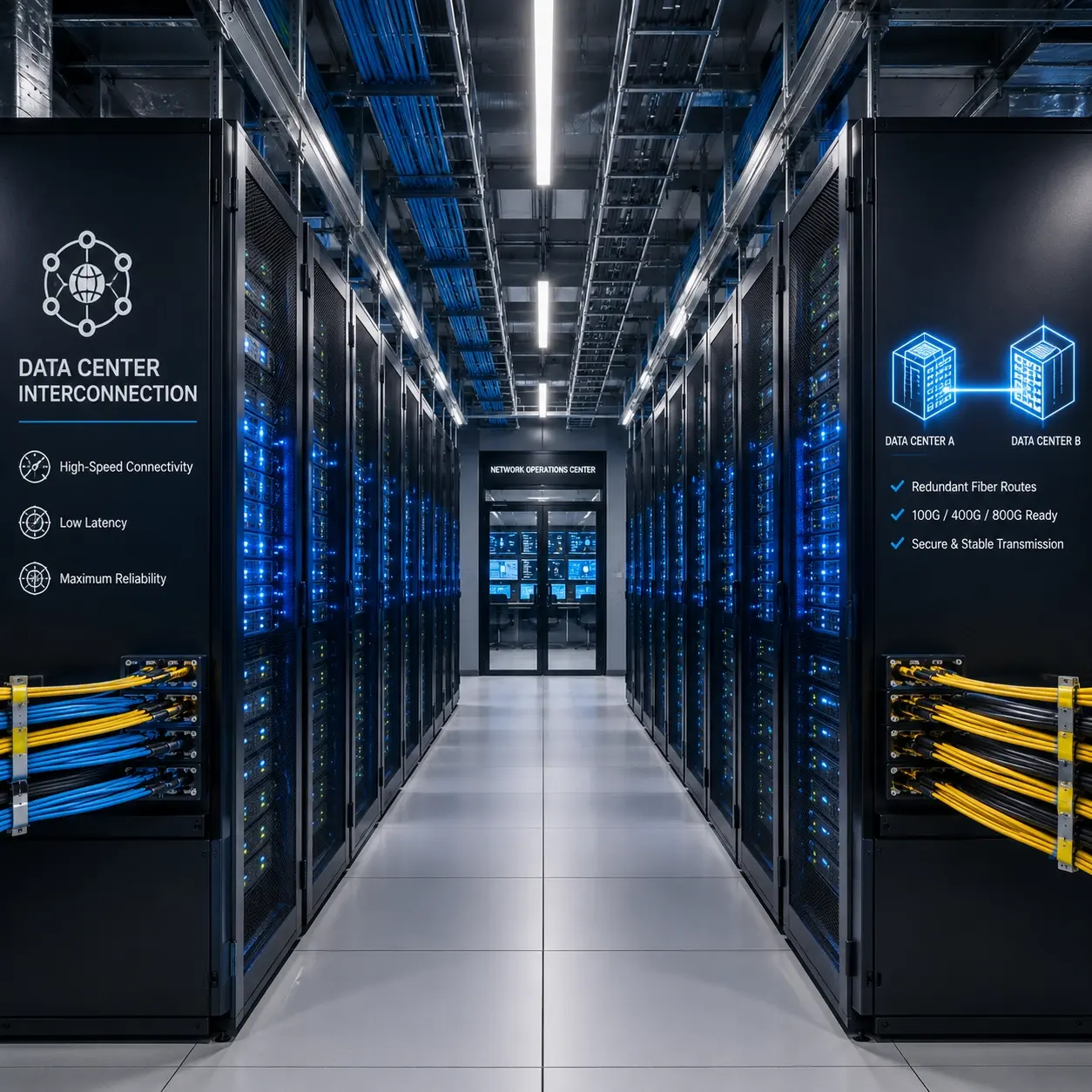
1. ISP Backbone Network
Backbone networks carry high data volumes between data centers, core routers, cities, regional nodes and service areas. They require high fiber counts, low attenuation, long-distance stability, tensile and crush resistance, moisture protection and long operating life.
Recommended cables: GYTS, GYTA, GYTA53 direct-buried cable and GYFTY non-metallic fiber optic cable.
Typical installations: underground ducts, communication pipelines, direct-buried routes, long-distance telecom lines, intercity networks and data center interconnection.
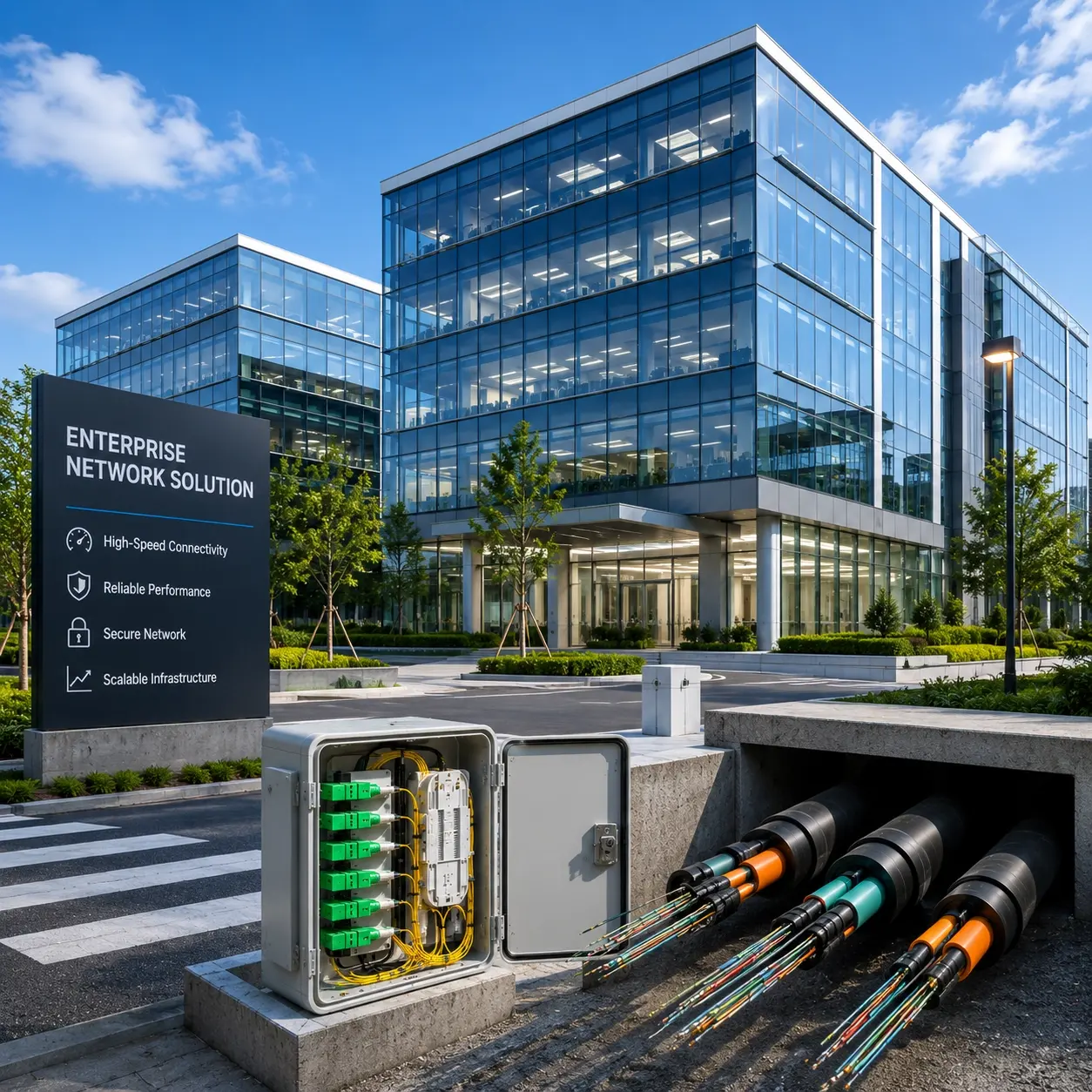
2. Metropolitan Area Network
Metro networks connect aggregation nodes, business districts, residential communities, communication rooms and local data centers. GYTS, GYTA, GYXTW, GYFXTY and ADSS support city broadband, aggregation rings, smart city infrastructure and business connectivity.
For routes near power systems or where metallic components are unsuitable, GYFTY or ADSS can be considered.
3. Local Distribution Network
Distribution networks connect regional backbone routes to local fiber distribution points, neighborhoods, buildings and access nodes. GYXTW, GYFXTY, GYTS, mini figure-8 and ASU cable provide compact, cost-effective options for duct, aerial and local access routes.
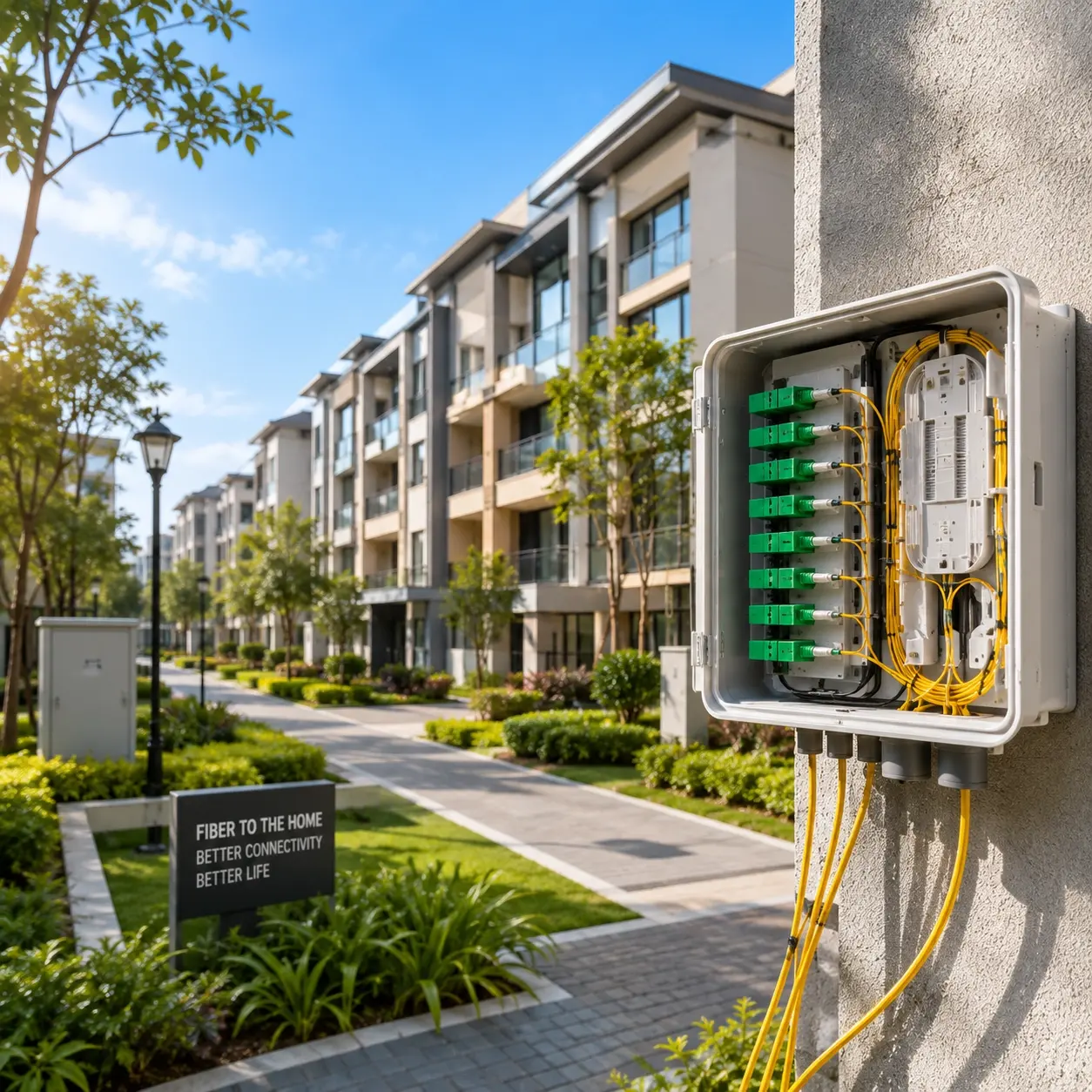
4. FTTH and FTTB Access Network
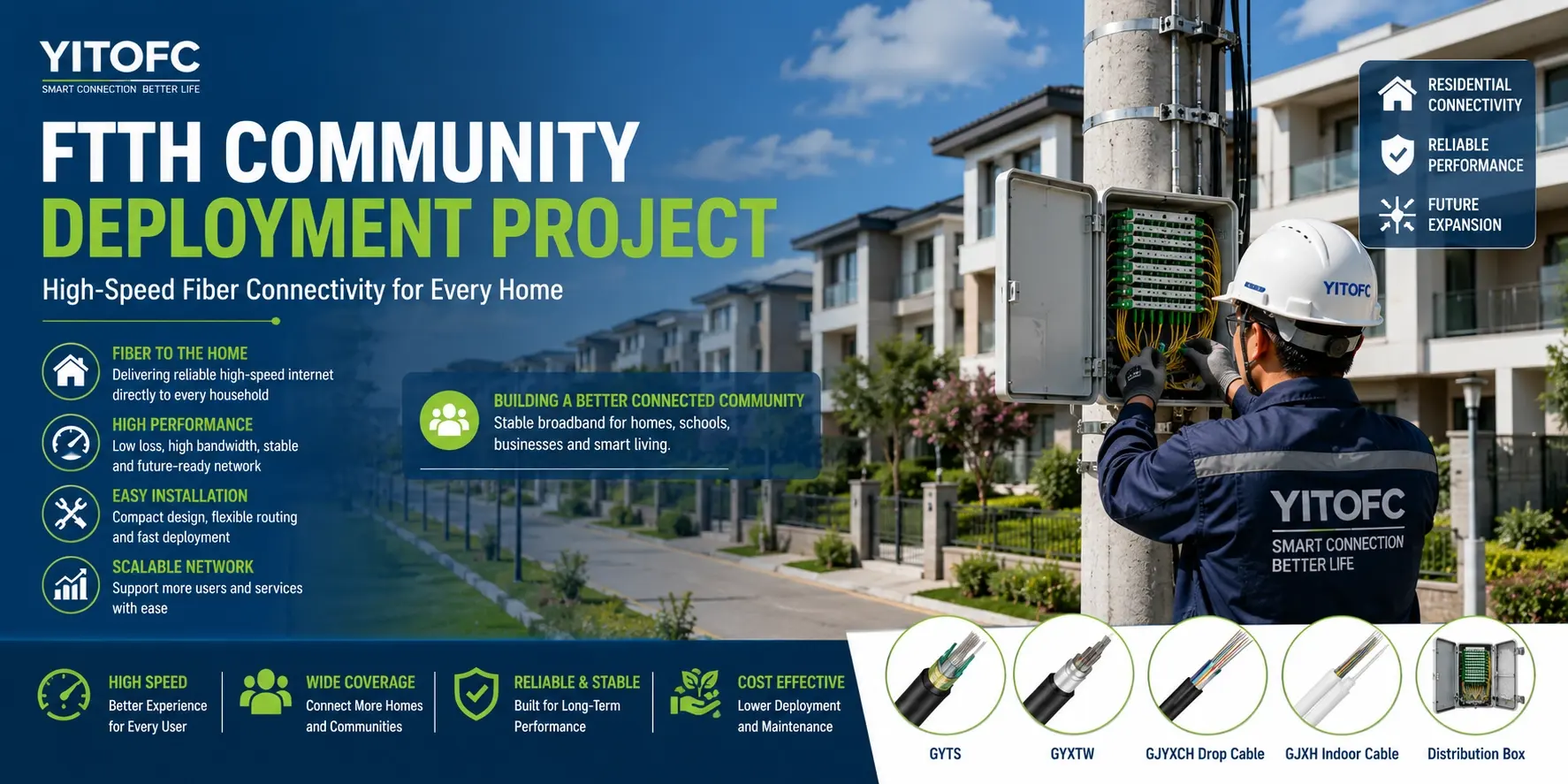
FTTH connects fiber directly to homes, while FTTB brings fiber to apartment buildings, offices and commercial properties. A complete access network may include feeder and distribution cable, fiber distribution boxes, PLC splitters, closures, FTTH drop cable, indoor cable and optical network terminals.
Recommended: FTTH drop cable, GJYXCH self-supporting drop cable, GJXH indoor drop cable, GYXTW distribution cable, GYFXTY access cable and indoor fiber optic cable.
FTTH drop cables offer small size, flexible installation, low bending loss with G.657 fiber, wall-mounted and aerial route suitability, plus LSZH or PVC jacket options.
5. Aerial Broadband Network
Where duct construction is difficult or costly, aerial fiber is an efficient alternative. Cable selection depends on pole distance, wind and ice load, installation tension and proximity to power lines.
ADSS Fiber Optic Cable
All-dielectric, self-supporting construction with no separate messenger wire. It suits overhead routes near power lines and provides UV and weather resistance with multiple span designs.
ASU and Figure-8 Cable
ASU is compact and cost-effective for shorter aerial access spans. Figure-8 cable includes an integrated supporting element for pole-to-pole routes.
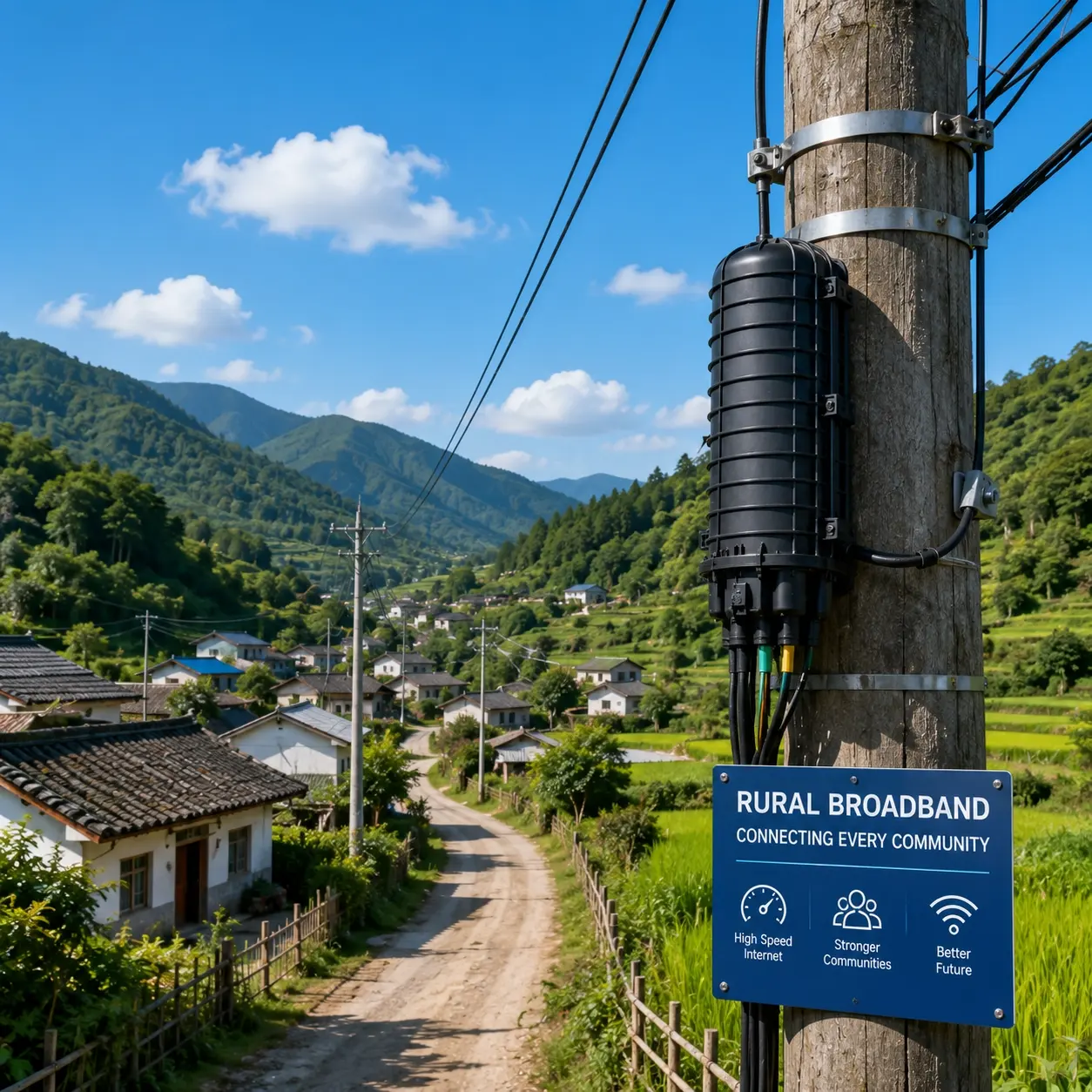
6. Rural Broadband and Enterprise Access
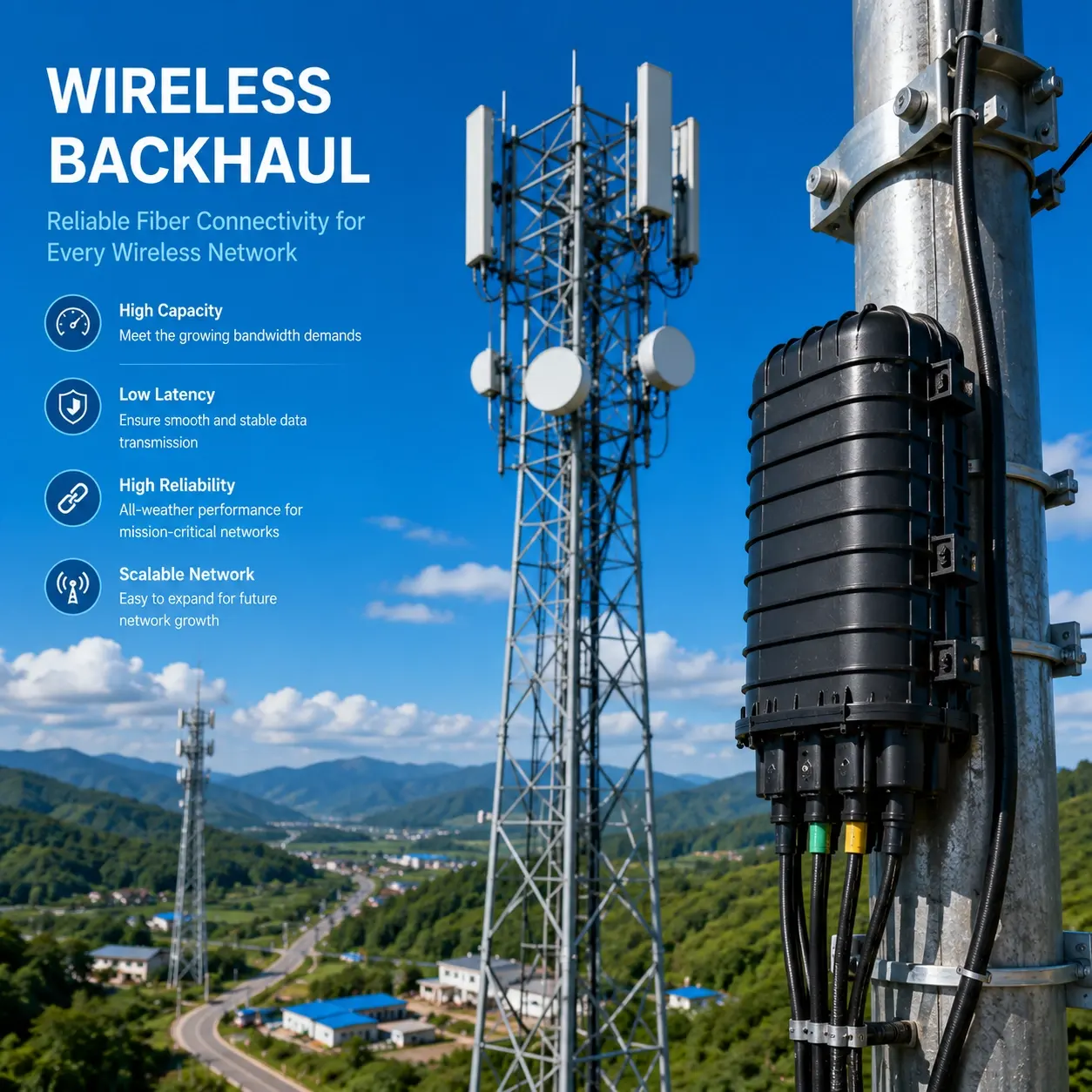
Rural projects benefit from combinations of ASU, ADSS, Figure-8, GYTS, GYXTW and FTTH drop cable for villages, schools, public facilities, agricultural areas, wireless base-station backhaul and last-mile access.
Enterprise customers, factories, campuses, hotels and industrial parks can use GYTS, GYTA, GYXTW, GYFTY, distribution cable and indoor fiber cable for dedicated, low-latency and redundant connections.
Recommended Fiber Optic Cables for ISP Networks
| Network section | Recommended cable | Typical installation |
|---|---|---|
| Long-distance backbone | GYTS, GYTA, GYTA53 | Duct or direct burial |
| Metropolitan network | GYTS, GYTA, GYFTY | Duct and city routes |
| Local distribution | GYXTW, GYFXTY | Duct, aerial or access routes |
| Aerial backbone | ADSS | Pole and power-line corridors |
| Rural access | ASU, Figure-8 | Short- and medium-span aerial |
| FTTH access | GJYXCH, GJXH | Aerial, wall-mounted and indoor |
| Enterprise access | GYTS, GYXTW, indoor cable | Outdoor-to-indoor connection |
How to Select the Right Cable
Confirm the installation method, fiber count, fiber type, jacket material, mechanical requirements and environmental conditions before specifying a cable.
- Installation: duct, direct-buried, pole, building wall, indoor or near high-voltage lines
- Fiber count: 2 to 144 fibers according to network role and expansion plan
- Fiber type: G.652.D for backbone and outdoor routes; G.657.A1/A2 for FTTH and bending-sensitive routes
- Jackets: PE for outdoor use; LSZH or PVC for indoor requirements
- Mechanical and environment: tensile load, crush resistance, bend radius, span, wind, ice, rodent resistance, water penetration, UV, humidity and temperature
Optical Performance, Quality Control and Factory Testing
YITOFC cables are designed for low-loss optical transmission. Key values such as attenuation at 1310 nm and 1550 nm, chromatic dispersion, mode field diameter, cut-off wavelength and bending performance should be confirmed in the datasheet and order specification.
Available inspections include fiber attenuation, cable diameter and jacket thickness inspection, length verification, tensile, crush, impact, repeated bending, water penetration, temperature cycling, visual, printing, packaging and OTDR testing when required.
OEM and Customization Services
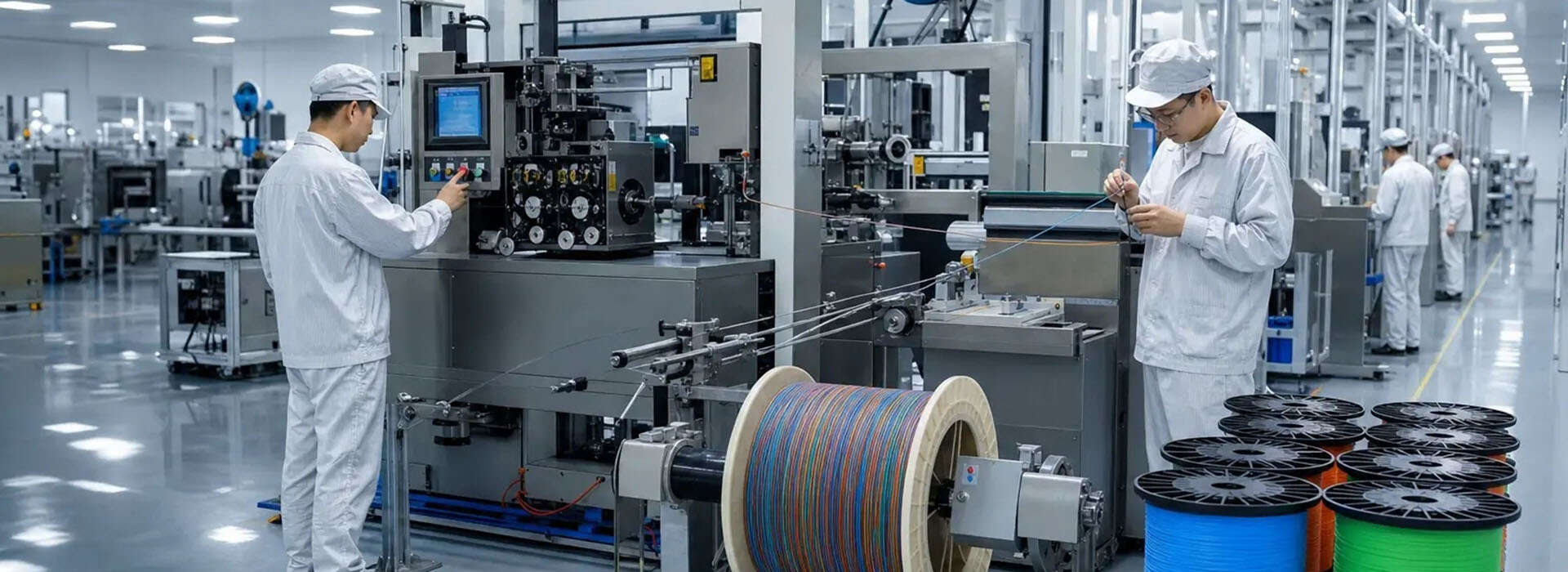
YITOFC provides customization for fiber count and type, loose-tube structure, strength member, armor, jacket material and color, identification stripes, meter marking, customer logo, model printing, drum length, wooden drum dimensions, export packaging and private-label production.
Information Required for a Quotation
- Cable model or installation method
- Fiber count and fiber type
- Required quantity and length per drum
- Aerial span where applicable
- Jacket and armor requirements
- Printing, packaging and destination country or port
Why Choose YITOFC?
YITOFC supports telecom, ISP, FTTH, power utility and communication infrastructure applications with multiple cable structures, custom manufacturing, quality inspection, export documentation, samples, trial orders and volume production.
Frequently Asked Questions
What fiber optic cable is commonly used by ISPs?
GYTS, GYTA, GYXTW, ADSS, ASU and FTTH drop cables are common choices. The correct model depends on duct, direct-buried, aerial or indoor installation.
What is the difference between GYTS and GYTA?
GYTS normally uses corrugated steel tape armor for mechanical protection, while GYTA uses aluminum tape and offers moisture protection with a relatively lightweight structure.
Which cable is suitable for aerial ISP networks?
ADSS, ASU and Figure-8 cable are commonly used. Selection depends on span, tensile load, power-line conditions and budget.
Can YITOFC customize cable marking and drum length?
Yes. Customer name, brand, cable model, fiber count, production year, meter marking and drum length can be specified according to the confirmed structure and order.
Build Your ISP Network with YITOFC
Whether expanding a city broadband network, building rural access, connecting enterprise customers or deploying FTTH, YITOFC can recommend fiber optic cable options and provide technical datasheets and quotations.
Request a Free Quotation
Please send cable application, fiber count, required quantity, length per drum, installation method, aerial span if applicable and destination country.
Guangdong Yitong Fiber Optic Cable Co., Ltd.
Website: www.yitofc.com
Email: allen@yitofc.com
Phone/WhatsApp: +86 180 2526 0951
Address: No. 173 Beiwang Road, Zhongtang Town, Dongguan City, China