










Introduction to Fiber Optic Cable Testing
The testing of fiber optic cables is a fundamental process that ensures both product quality and optimal performance for various telecommunications applications. As the backbone of modern communication systems, fiber optic cables transmit data at incredibly high speeds and over long distances. It is imperative that these cables are thoroughly tested during and after manufacturing to confirm that they meet safety and performance standards.
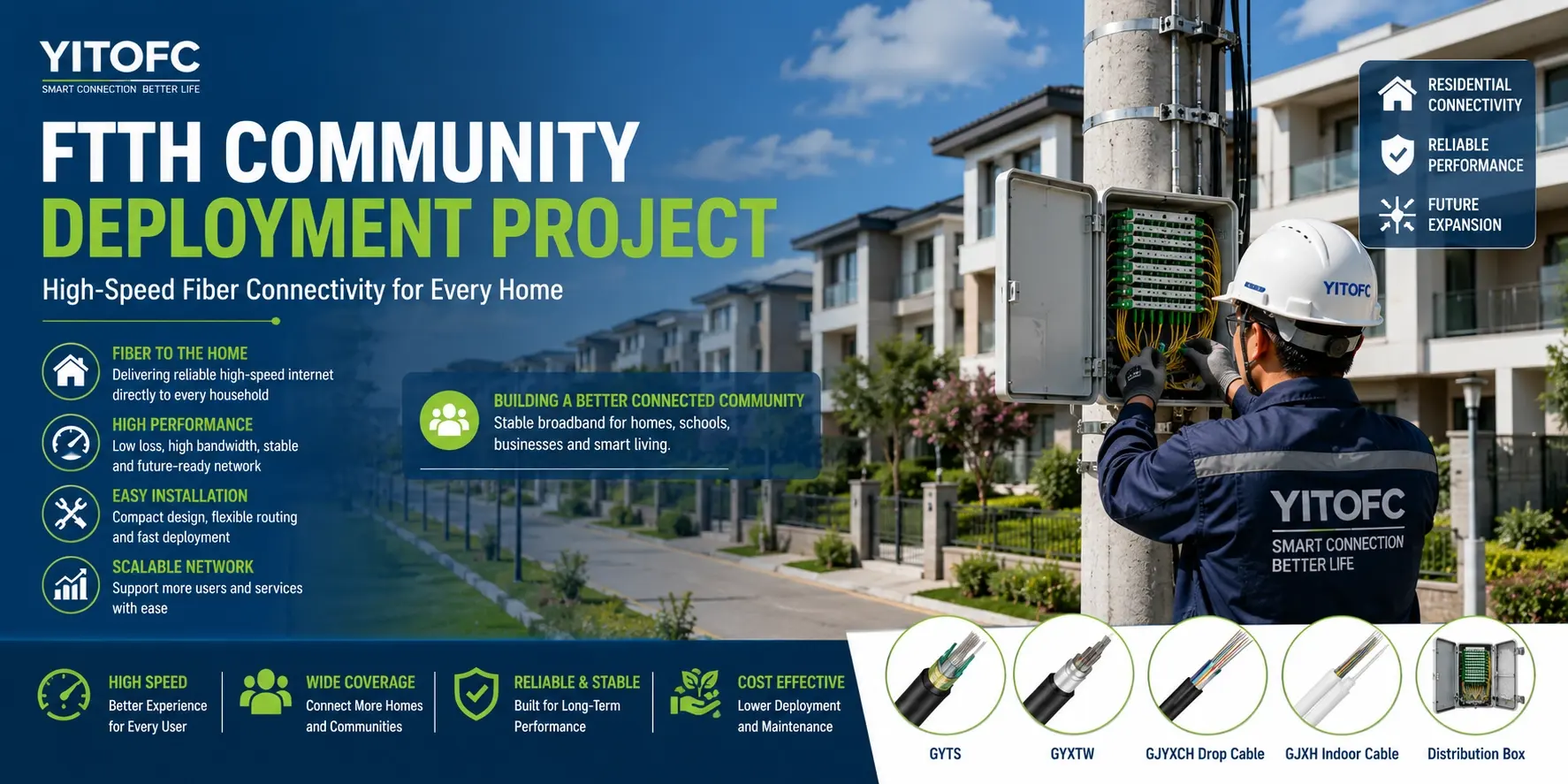
Quality assurance through testing plays a critical role in the manufacturing lifecycle of fiber optic cables. It ensures that any potential faults or weaknesses are identified and rectified before the cables are deployed in sensitive environments. This is especially crucial for applications such as fiber-to-the-home (FTTH) projects, where reliable data transmission is vital for delivering high-speed Internet and other telecommunication services directly to consumers.
Furthermore, the infrastructure that supports telecommunication networks necessitates rigorous testing protocols. Installing faulty cables can lead to catastrophic failures, service interruptions, and high repair costs, which can tarnish a company’s reputation. Thus, comprehensive testing not only promotes reliability but also bolsters confidence in the infrastructure that relies on these advanced technologies.
As we proceed, we will delve into specific testing methods and procedures that are employed to ensure the integrity and efficacy of fiber optic cables. These methods span various aspects of the manufacturing process, highlighting the importance of each phase in safeguarding the final product’s quality.
Testing Methodologies Used in Quality Control
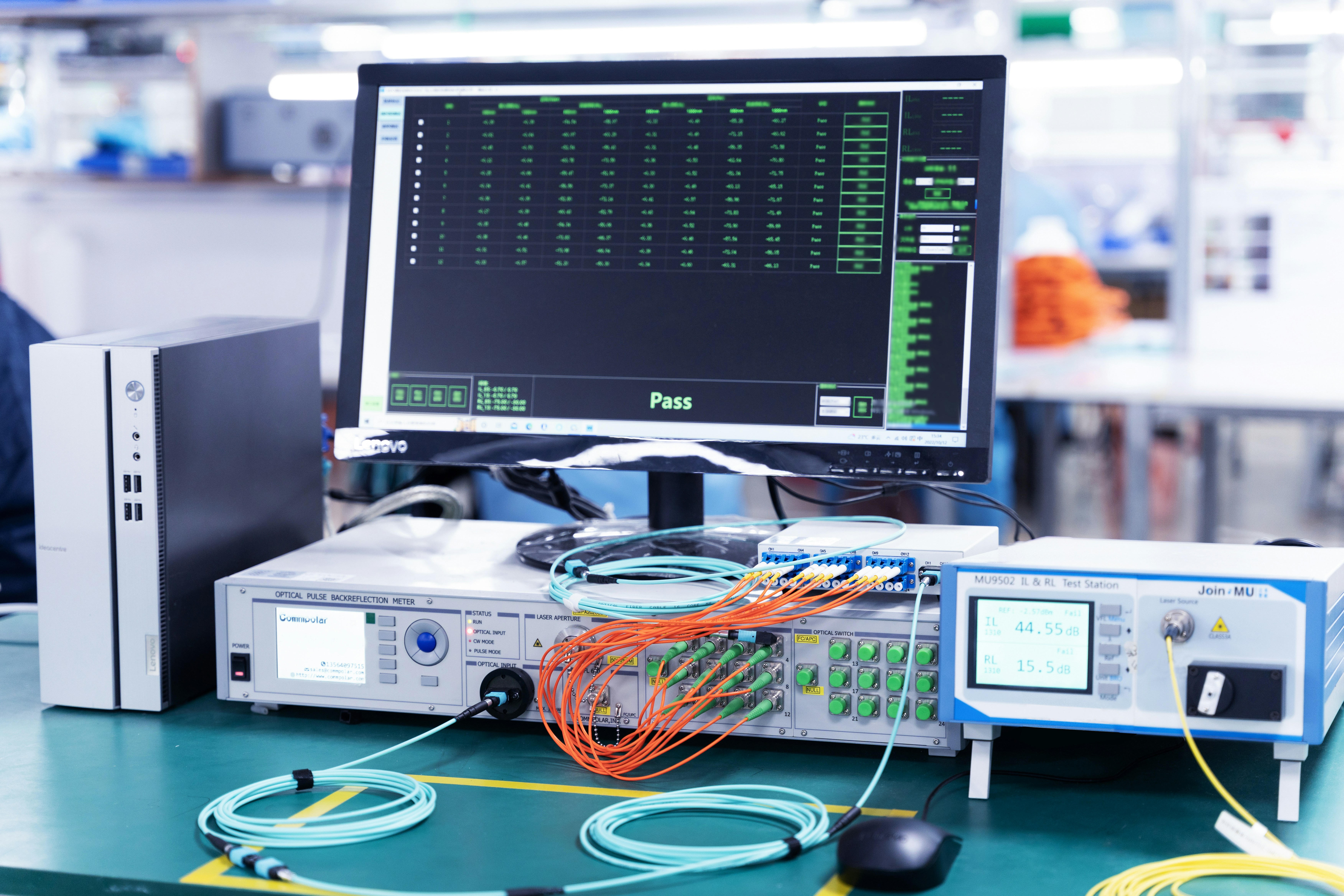
Quality control plays a vital role in ensuring that fiber optic cables meet industry standards before delivery. Various methodologies are employed to assess different aspects of cable performance. Among these methodologies, optical performance assessments are crucial. These evaluations determine the efficiency of light transmission through the fiber, providing insights into the overall quality of the cable. Typically, tests examine parameters such as insertion loss and return loss to ensure that the cable delivers optimal performance under practical conditions.
Another fundamental aspect of fiber optic cable testing is attenuation measurement. Attenuation refers to the reduction in signal strength as it travels through the cable, which can be influenced by wavelength, cable type, and environmental factors. By quantifying the attenuation levels, manufacturers can verify that the cables adhere to specified performance criteria. This testing is often conducted using an Optical Time Domain Reflectometer (OTDR), which accurately identifies and quantifies signal loss throughout the cable’s length.
Environmental tests also form an integral part of the quality control process. These assessments examine how the cables withstand various environmental stressors such as temperature fluctuations, humidity, and mechanical strain. Key tests include temperature cycling, which simulates extreme climatic conditions, and tensile strength tests to measure the cables’ resistance to physical pressure. By performing these tests, manufacturers can ascertain that the fiber optic cables are durable and reliable under diverse operating conditions. Each testing methodology not only evaluates specific characteristics but ensures the finished product complies with industry specifications. Consequently, manufacturers can provide high-quality, dependable fiber optic cables to end-users, thereby enhancing overall system performance and longevity.
Quality Control Procedures at Guangdong Yitong Fiber Optical Cable Manufacturer
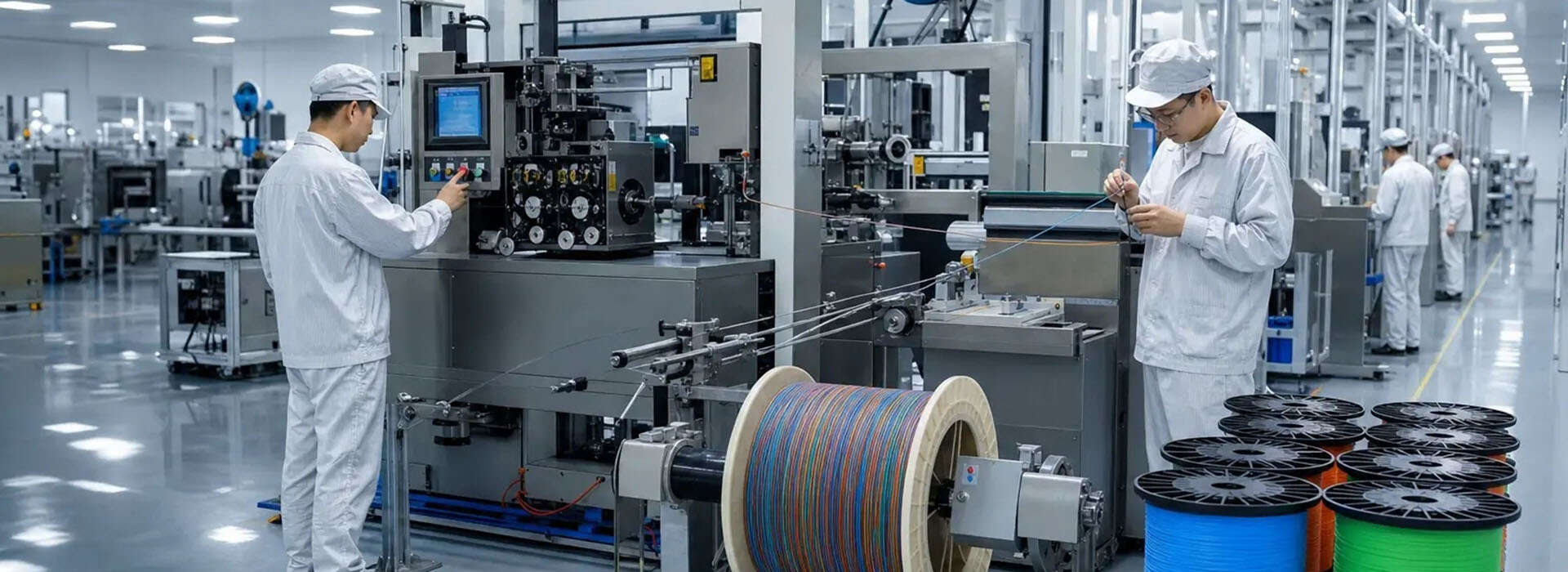
At Guangdong Yitong Fiber Optical Cable Manufacturer, quality control is paramount to ensure that all fiber optic cables meet the highest industry standards before delivery. The manufacturer has established rigorous testing protocols that are implemented at various stages of the production process. This comprehensive approach not only guarantees the reliability of the final product but also enhances overall customer satisfaction.
The testing begins with strict quality checks on raw materials. Each batch of components is evaluated for compliance with predefined specifications. Skilled technicians, who possess extensive experience in fiber optic technology, conduct these initial assessments. Their expertise is crucial in identifying any discrepancies early on, thereby preventing defective products from progressing through the manufacturing pipeline.
Once the manufacturing of fiber optic cables is completed, each cable undergoes a series of standardized tests. These tests include optical transmission tests, tensile strength tests, and environmental resistance assessments. Advanced technology and equipment, such as OTDR (Optical Time-Domain Reflectometer) and precision testing machines, are utilized to ensure accurate measurements. The use of such state-of-the-art tools allows for real-time analysis and detection of performance issues.
Feedback from these tests plays a critical role in refining both the production processes and product design. The team at Guangdong Yitong meticulously reviews testing results to identify patterns or recurring failures, which help inform future modifications. Continuous improvement is not merely a goal but an integral aspect of the company’s philosophy, leading to innovative solutions that enhance cable performance.
Through these dedicated quality control procedures, Guangdong Yitong Fiber Optical Cable Manufacturer secures a reputation for excellence in the production of fiber optic cables, ensuring that every product delivered is synonymous with durability and reliability.
The Importance of Reliable Fiber Optic Cables for Customers
The reliability of fiber optic cables is critical for customers who demand uninterrupted communication and data transmission. In an era where digital connectivity is paramount, the performance of these cables can greatly affect the functionality of entire networks. High-quality fiber optic cables ensure efficient data transfer rates while minimizing signal loss over distances. Customers expect seamless operations, and substandard cables can lead to disruptions, resulting in serious economic implications.
Industry experts emphasize that meticulous testing of fiber optic cables before delivery is essential for maintaining network integrity. Reliable cables contribute to enhanced customer satisfaction, as they reduce instances of downtime and enhance overall performance. When customers trust the quality of the products they receive, they are more likely to remain loyal to the supplier, promoting long-term business relationships and repeat sales.
From a cost perspective, investing in high-quality fiber optic solutions can yield significant savings. Customers may initially save on costs by choosing cheaper alternatives; however, the longer-term expenses associated with troubleshooting network failures, replacing faulty cables, and potential losses from system outages can far exceed these initial savings. Quality installations can last longer and function adequately without continuous maintenance, thus providing a clear economic incentive for customers to opt for tested and certified products.
In telecommunications and infrastructure projects, fiber optic reliability acts as a backbone, enabling efficient operations across various platforms. Companies within this sector understand that their reputation hinges on product quality, thus making rigorous testing protocols a standard practice. Ultimately, by ensuring that only thoroughly tested and reliable fiber optic cables are delivered, we not only secure customer satisfaction but also contribute to the smoother functioning of essential structures that support global communication networks.