







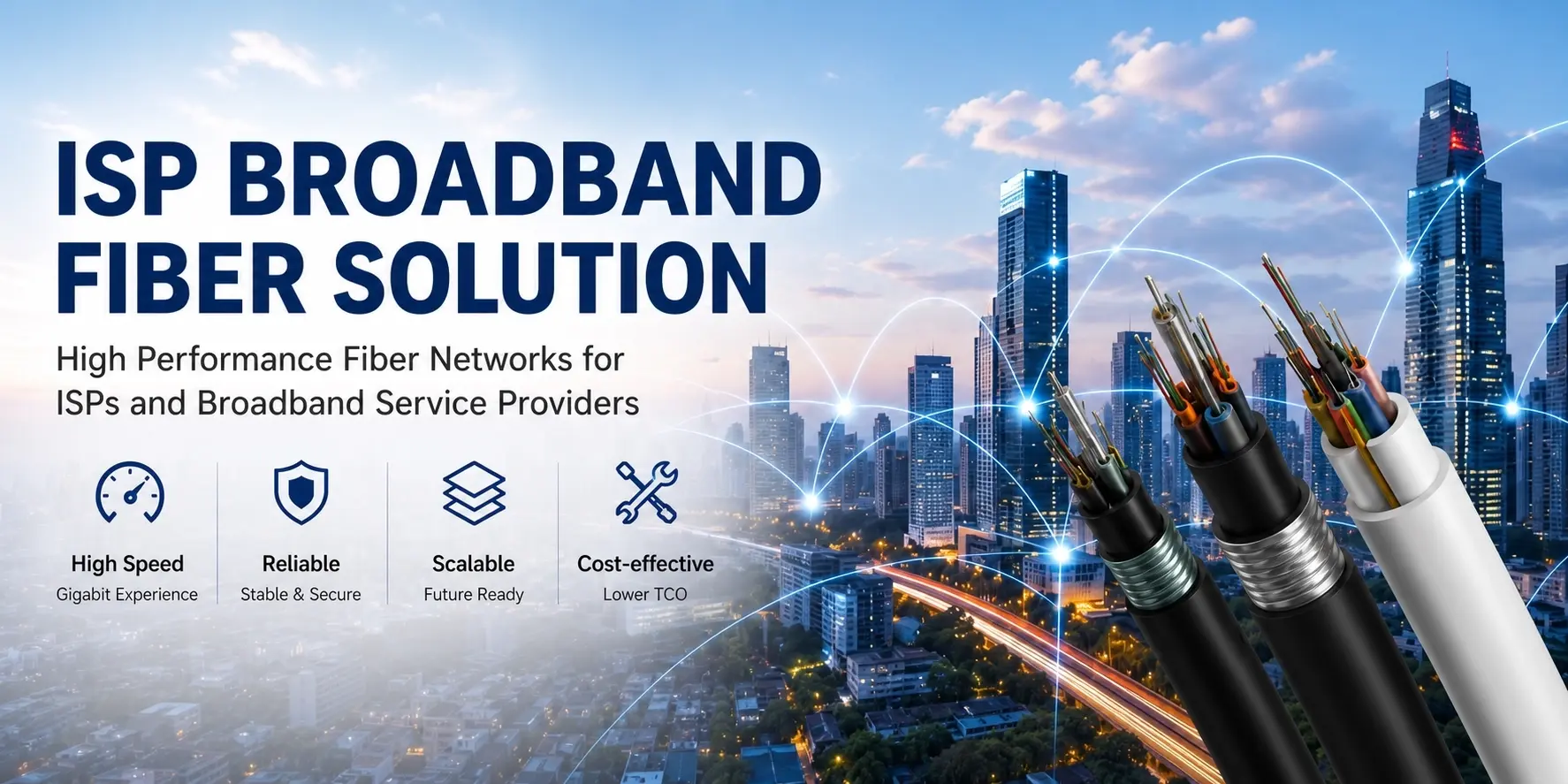
Outdoor communication networks face more environmental and mechanical challenges than indoor installations. Cables may encounter pulling forces, pressure, vibration, moisture, temperature changes, and accidental impact during installation and operation. Therefore, choosing a suitable cable structure is essential for maintaining stable optical communication over the long term. An armored fiber optic cable adds mechanical protection around the optical fiber, helping reduce the risk of damage caused by external forces. For outdoor networks, this additional protection can improve cable reliability while supporting more consistent signal transmission.
Among different protection structures, steel tape armor provides a practical balance between mechanical strength, flexibility, and installation convenience. As a result, it is widely used in telecom networks, outdoor communication infrastructure, and other demanding fiber deployment environments.
How Steel Tape Armor Protects Optical Fibers
The optical fibers inside a cable are highly sensitive to excessive bending, crushing, and tensile stress. Although the outer jacket provides basic protection, it may not be sufficient when the cable is exposed to stronger mechanical forces. Steel tape armor forms a protective layer around the internal cable structure. Consequently, it helps distribute external pressure and reduces the possibility of direct mechanical damage reaching the optical fibers.
In addition, the armored structure can provide greater resistance during cable installation. This is particularly useful when cables are routed through outdoor pathways, utility areas, industrial facilities, or other locations where accidental pressure and impact may occur.
Key Advantages of Steel Tape Armor
Steel tape armor provides several practical benefits for outdoor fiber optic installations:
- Mechanical protection: Helps protect optical fibers from crushing and external impact.
- Improved durability: Supports reliable operation in demanding installation environments.
- Installation support: Provides additional protection during pulling, routing, and handling.
- Long-term reliability: Helps reduce the risk of mechanical damage during service.
- Outdoor adaptability: Suitable for telecom, utility, industrial, and communication infrastructure.
- Structural stability: Reinforces the cable while maintaining a practical cable profile.
Therefore, steel tape armor is not simply an additional material layer. Instead, it is an important part of the cable structure when mechanical protection is a major installation requirement.
GYXTW Structure for Reliable Outdoor Deployment
GYXTW cable designs combine optical fibers with a compact protective structure suitable for outdoor communication applications. The cable can provide a practical solution where mechanical strength and reliable optical performance are both important.
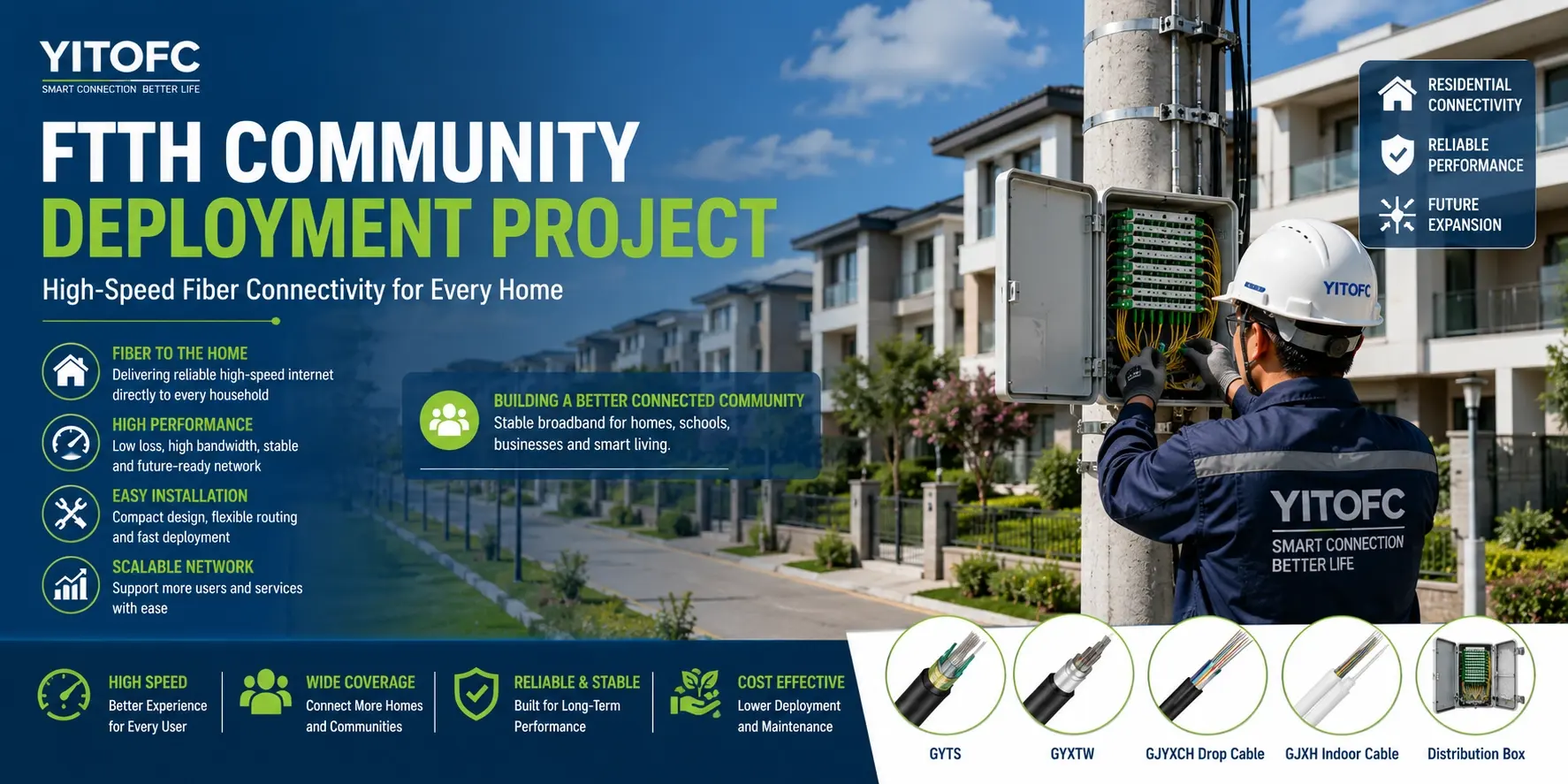
Furthermore, the cable structure supports efficient deployment across different network environments. It can be used for telecom backbone networks, fiber distribution systems, FTTH access networks, and ISP infrastructure. The armored fiber optic cable design also makes the cable suitable for applications where the installation route may expose it to additional mechanical stress. By adding steel tape protection, the cable can provide greater structural security than an unarmored design.
Optical Performance and Mechanical Reliability
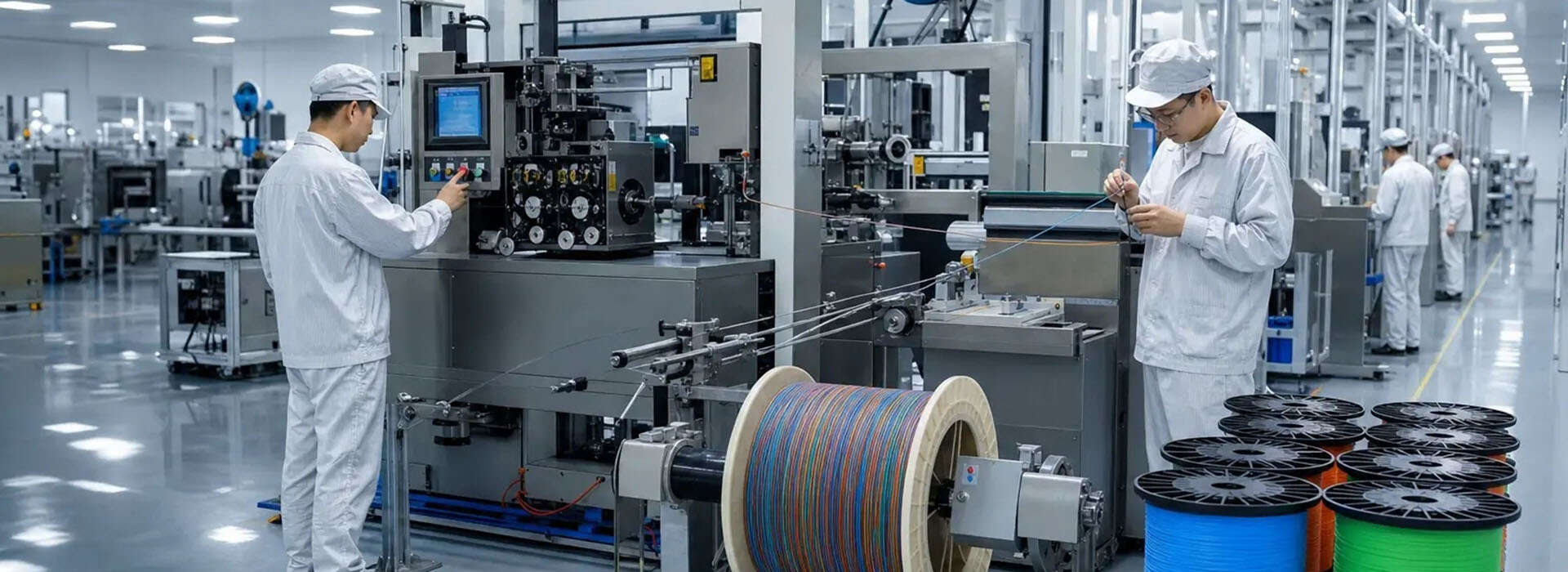
A fiber optic cable must deliver more than physical protection. Optical performance is equally important because attenuation, connection quality, and fiber integrity directly affect network communication. For this reason, reliable cable manufacturing requires careful control of both optical and mechanical characteristics. High-quality raw materials, accurate production equipment, and appropriate testing procedures can help maintain consistent cable performance.
Yitong Fiber Optic Cable focuses on quality control throughout production and testing. This approach helps ensure that the cable provides dependable optical transmission while maintaining the mechanical strength required for outdoor deployment.
Application Comparison
| Application | Why Armored Cable Is Suitable |
|---|---|
| Telecom Backbone Networks | Provides additional mechanical protection for critical links |
| Fiber Distribution Networks | Supports stable outdoor distribution routes |
| FTTH Access Systems | Helps protect cables during installation and routing |
| ISP Network Deployment | Suitable for reliable network infrastructure |
| Data Center Interconnection | Supports protected fiber connections between facilities |
| Railway Communication | Helps withstand demanding infrastructure environments |
| Utility Communication | Provides added protection around utility installations |
| Industrial Networks | Supports communication in mechanically demanding areas |
Where GYXTW Armored Fiber Cable Can Be Used
The versatility of GYXTW cable makes it suitable for a wide range of communication projects. Telecom operators can use it for backbone and distribution networks, while ISPs can deploy it across outdoor access infrastructure. Moreover, railway and utility communication systems can benefit from additional cable protection because their installation environments may involve vibration, mechanical stress, or complex routing conditions.
Industrial communication networks are another important application. In these environments, cables may be installed around equipment, production facilities, or infrastructure where physical protection is essential for long-term network stability.
Choosing the Right Cable for Outdoor Projects
When selecting an outdoor fiber cable, buyers should consider several factors rather than focusing only on fiber count or price. The installation environment, mechanical requirements, routing conditions, and expected service life should all be evaluated.
For example, projects exposed to greater mechanical stress may benefit from steel tape armor, while simpler protected routes may require a different cable structure. Therefore, matching the cable construction to the actual installation environment can improve reliability and help avoid unnecessary replacement costs. It is also important to consider manufacturing quality. Consistent dimensions, controlled fiber performance, reliable materials, and proper testing can all contribute to better project outcomes.
Quality Control Supports Long-Term Performance
Cable reliability starts with production. Strict quality control helps identify potential manufacturing issues before products reach installation sites. In addition, advanced production equipment can improve consistency across different production batches. Yitong Fiber Optic Cable provides GYXTW armored fiber cable solutions with controlled manufacturing processes and testing procedures. The company also supports customized OEM requirements, allowing cable specifications to be adapted to different project applications. Furthermore, stable supply capacity and technical support can help distributors, contractors, and overseas customers manage larger communication projects more efficiently.
A Practical Solution for Outdoor Communication Networks
Outdoor fiber infrastructure requires a careful balance between optical performance, mechanical protection, installation efficiency, and long-term reliability. Steel tape armor addresses one of the most important challenges by adding a protective barrier around the sensitive internal fiber structure. As network construction continues to expand across telecom, FTTH, ISP, industrial, railway, and utility applications, selecting the right cable construction becomes increasingly important. An armored fiber optic cable with steel tape protection can provide a dependable foundation for installations where additional mechanical protection is required. With appropriate material selection, controlled manufacturing, and application-focused design, GYXTW cable offers a practical option for outdoor communication projects that demand reliable performance and structural protection.